There was a time — not so long ago — when wearing your interests on your sleeve was social suicide. A Star Wars t-shirt in the 1990s marked you as someone who'd opted out of cool entirely. A periodic table print was a joke. Comic book references were for the kid who ate lunch alone. The geeks knew who they were, and so did everyone else.
Fast forward to now, and the landscape has inverted completely. Marvel dominates the global box office. Video game aesthetics influence high fashion. Tech founders are the new rock stars. And the graphic tee — once the uniform of the socially marginalised — has become one of the most powerful signifiers of cultural fluency in modern fashion.
The Tipping Point
Pinpointing exactly when geek went mainstream is impossible, but several moments accelerated the shift. The launch of the iPhone in 2007 made technology aspirational. The success of The Big Bang Theory, for all its flaws, normalised nerd identity for a mass audience. And the Marvel Cinematic Universe turned comic book literacy into the cultural equivalent of knowing your wine regions.
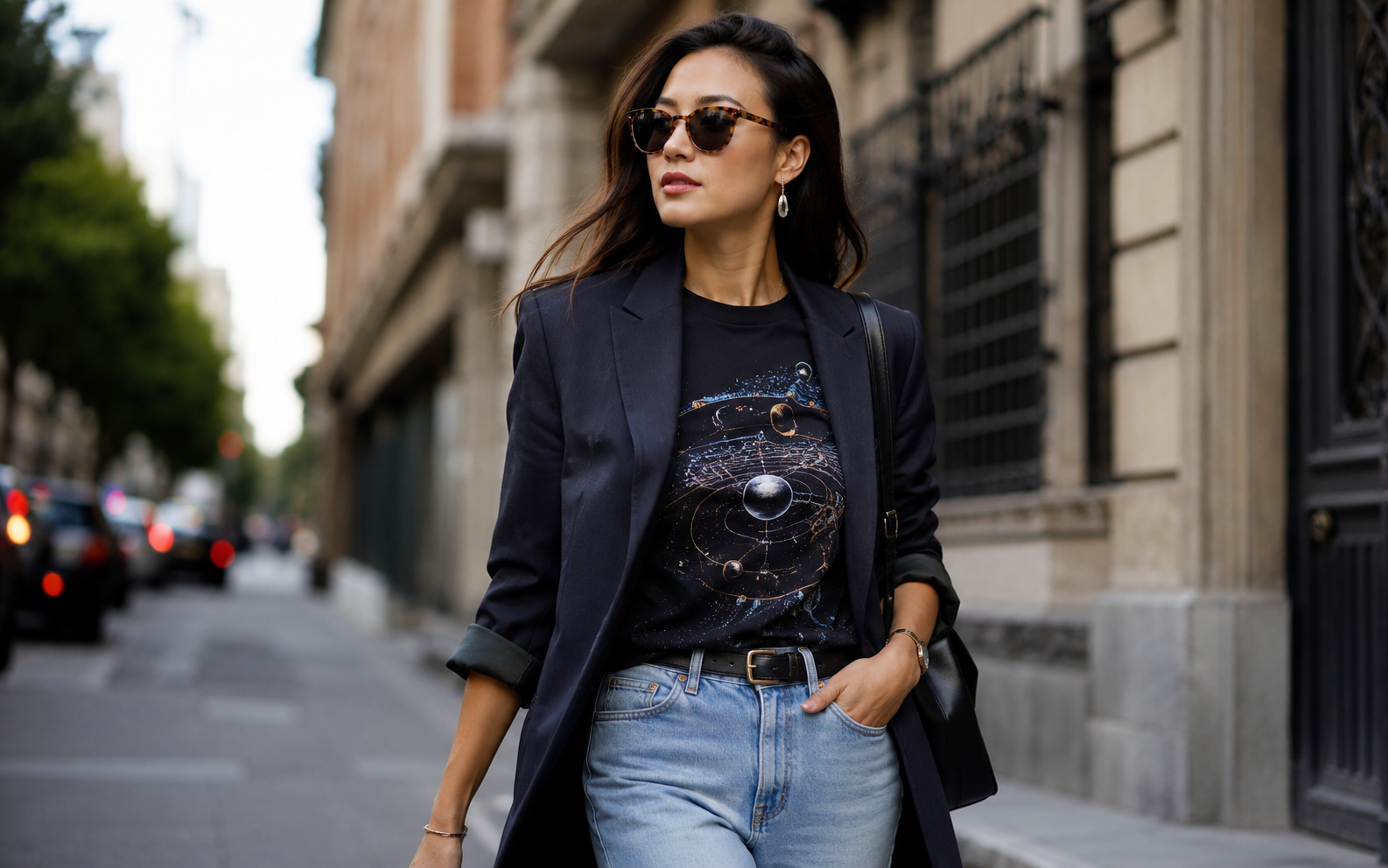
But the deeper shift was economic. As the tech industry became the world's most powerful wealth engine, the people building it became cultural tastemakers by default. Silicon Valley's uniform — hoodies, sneakers, graphic tees — wasn't a rejection of fashion. It became fashion. And suddenly, signalling your intellectual interests through clothing wasn't embarrassing. It was status.
Fashion Catches On
High fashion noticed. Balenciaga released a collection inspired by gamer aesthetics. Louis Vuitton collaborated with League of Legends. Prada featured prints that referenced scientific diagrams. These weren't ironic — they were earnest acknowledgments that the cultural centre of gravity had shifted toward people who could explain quantum computing and cared about the Dungeons & Dragons revival.
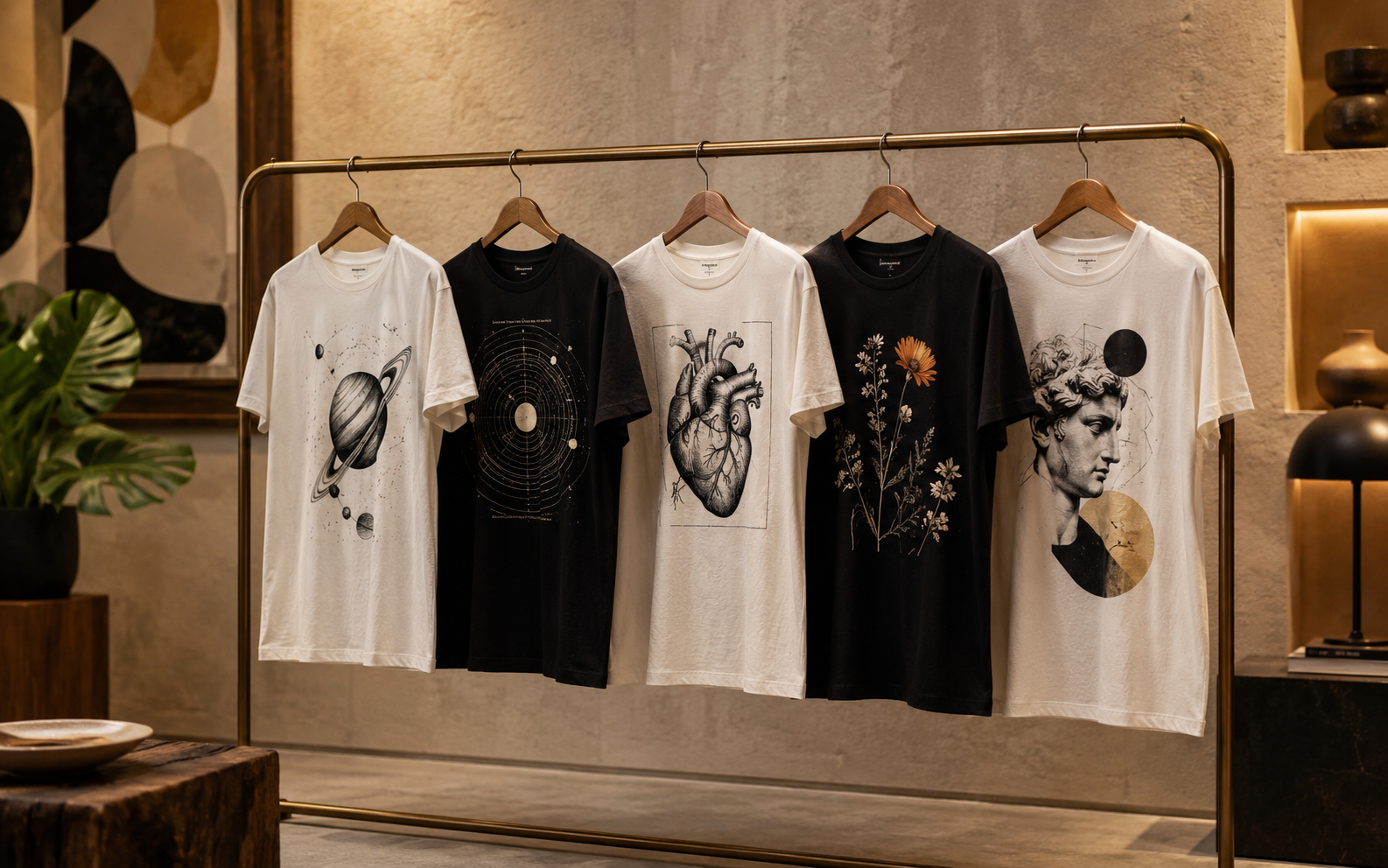
At the street level, the shift was even more pronounced. Brands like Geek T-Shirts built entire businesses around the idea that wearing your passions — science, maths, coding, space — should look as good as it feels. The designs aren't novelty items; they're considered pieces that treat intellectual interests with the same visual respect that band merch gives music.
Identity Through Clothing
What makes this shift interesting isn't just the aesthetics — it's what it reveals about how identity works in the 2020s. Clothing has always been a language, but the vocabulary has expanded. A molecular structure print doesn't just say "I like chemistry." It says "I'm curious, I value knowledge, and I'm comfortable enough in my identity to broadcast it."
This is particularly noticeable among younger consumers, who've grown up in a world where being passionate about niche subjects is celebrated rather than mocked. They don't see a contradiction between caring about design and caring about astrophysics. They want both, and they want their wardrobe to reflect that duality.
The New Cool
The old hierarchy — where cool meant disaffected, aloof, and carefully uninterested — has collapsed. In its place is something more generous: a culture where enthusiasm is the currency and knowledge is the status symbol. The person wearing a shirt with a Fibonacci spiral isn't trying to prove anything. They're simply wearing what they love, in a world that's finally caught up.
For anyone who spent their school years hiding their interests to fit in, there's a quiet justice in watching those same interests become the defining aesthetic of a generation. The geeks didn't just inherit the earth. They dressed it.