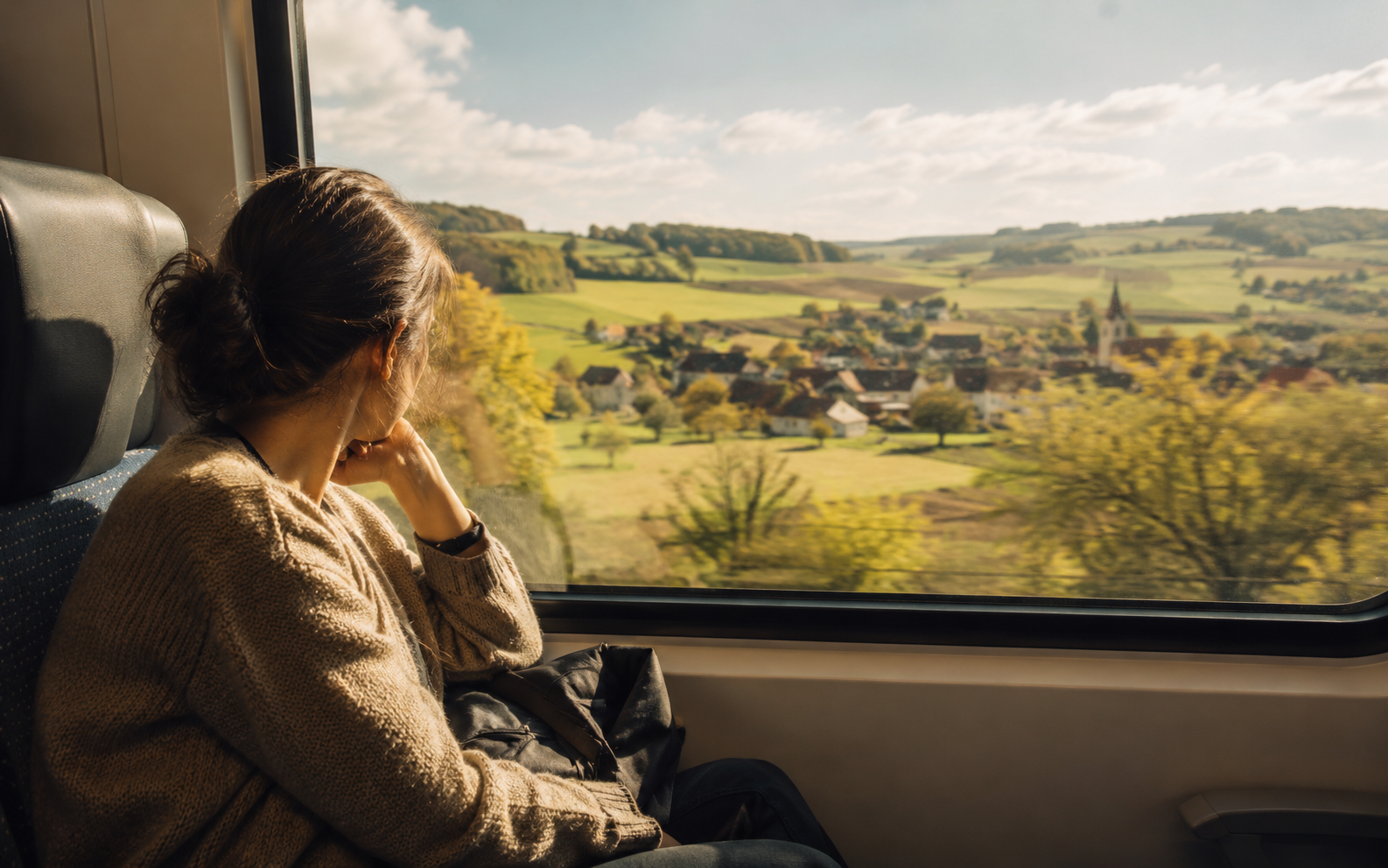
There's a particular kind of restlessness that comes from moving too quickly. You see the landmark, snap the photo, and you're already thinking about the next transfer. The itinerary says you've been to six countries in twelve days, but when someone asks what you remember, the details blur together like scenery through a train window.
Slow travel is the antidote to that blur. It's not a movement with a manifesto or a set of rules — it's more of a disposition. You pick fewer places, stay longer, and let curiosity replace efficiency as your guide. The result, almost always, is that you come home with stories instead of stamps.
Why Fewer Stops Mean More
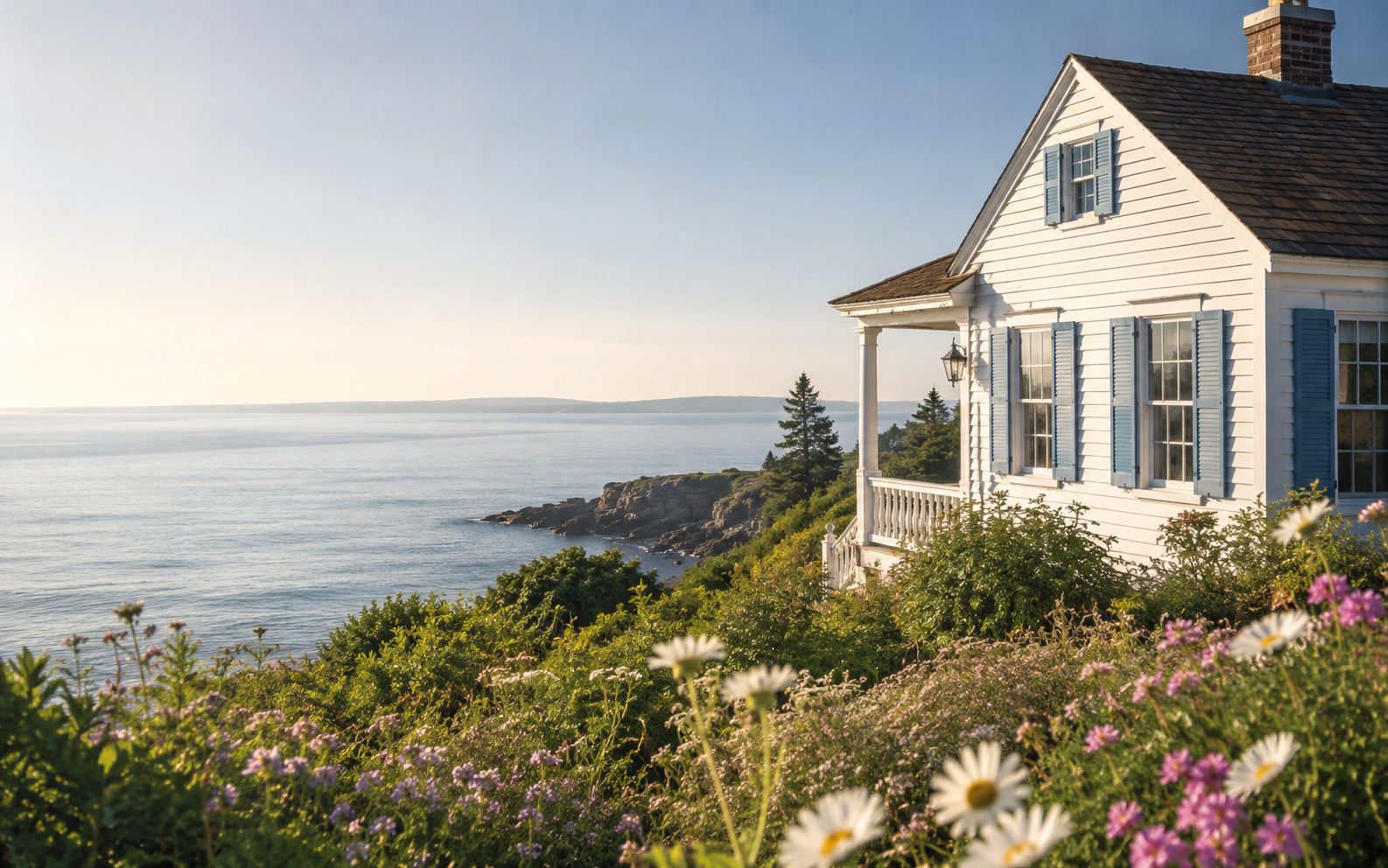
The mathematics of slow travel are counterintuitive. Spend three weeks in one Italian village and you'll likely discover more than someone who sprints through Rome, Florence, and Venice in the same stretch. You find the bakery that only opens on Thursdays. You learn the barman's name. You notice how the light changes over the valley at different hours.
This isn't about being anti-tourist or performatively authentic. It's about giving yourself the time to actually absorb a place. When you aren't rushing to a departure, you start paying attention differently. The sounds, the rhythms, the way locals move through their own town — these things reveal themselves slowly, and only to those who stick around.
The Practical Side of Slowing Down
Slow travel also happens to be cheaper. Longer stays mean better rates on accommodation. Cooking in a rented kitchen costs a fraction of eating out three times a day. And when you're not buying internal flights every 48 hours, the budget stretches remarkably further.
There's a growing number of travellers — particularly remote workers and semi-retired couples — who've adopted month-long stays as their default. They rent apartments in Lisbon, Chiang Mai, or Oaxaca. They join local gyms. They figure out which market has the best tomatoes. It doesn't look glamorous on Instagram, but it feels like something closer to actual living.
What You Bring Home
The real payoff of slow travel isn't the trip itself — it's what follows. When you've genuinely inhabited a place, even briefly, it stays with you differently. You remember the neighbour who brought you figs. The rainstorm that kept you reading in a cafe for four hours. The shortcut through the cemetery that became your favourite evening walk.
These aren't the memories you get from ticking off bucket lists. They're quieter, more personal, and they tend to age well. Years later, you don't just remember the destination — you remember how it felt to belong there, even temporarily.
Starting Small
You don't need to quit your job or buy a one-way ticket to practice slow travel. Start with your next weekend away. Instead of packing the itinerary, pick one neighbourhood and walk it properly. Sit in a park. Eat where the locals eat. Leave room for the unplanned.
The point isn't to do less. It's to notice more. And once you've travelled that way — even once — it becomes very hard to go back to the old way of rushing through.