How you start your morning shapes the rest of your day. This isn't productivity-guru wisdom — it's something cultures around the world have understood for centuries, embedding morning rituals into daily life with a care and consistency that our alarm-snooze-scroll-coffee routine can barely comprehend.
Travel enough, and you start to notice these patterns. The Japanese grandmother performing radio exercises in the park at 6:30 am. The Turkish shopkeeper brewing his first tea before opening the shutters. The Swedish couple walking to the lake for a cold swim before breakfast. Each ritual is different, but they share something essential: a deliberate transition from sleep to wakefulness, from private to public, from rest to purpose.
Japan: The Art of the Quiet Start
In Japan, the morning is treated as a threshold. Many households begin the day with a brief cleaning ritual — wiping surfaces, sweeping the entryway — that serves as both practical hygiene and mental preparation. The act of tidying the physical space is understood as a way of tidying the mind.
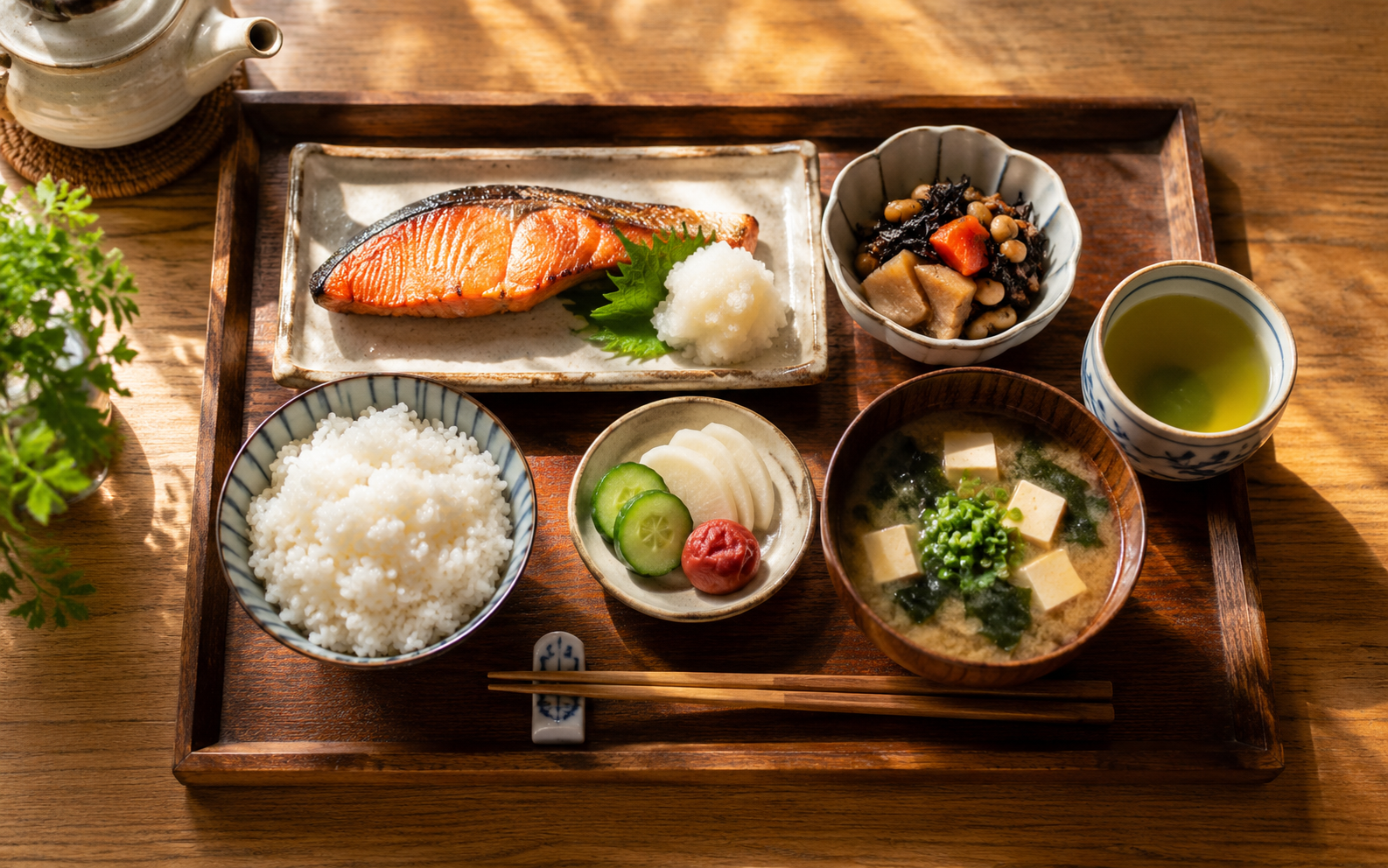
Then comes breakfast, which in traditional households is a composed affair: miso soup, grilled fish, pickled vegetables, rice, and green tea. It's not rushed. It's not eaten standing up or in front of a screen. As Mindbodygreen has explored extensively, the Japanese approach to morning nutrition emphasises balance and presence — treating the first meal as a form of self-care rather than fuel.
Scandinavia: Cold Water and Coffee
The Nordic morning ritual is built around contrast. In Finland and Sweden, the tradition of a morning cold plunge — whether in a lake, the sea, or increasingly a cold shower — has persisted through centuries. The physiological effects are well-documented: reduced inflammation, improved circulation, a surge of endorphins that colours the entire morning.
This is followed, almost universally, by coffee. Not the grab-and-go variety, but the sit-down-and-be-present kind. The Swedish concept of "fika" — a coffee break with intention — often begins at home in the morning. The coffee is strong. The moment is unhurried. And the transition from the shock of cold water to the warmth of a cup creates a sensory rhythm that Scandinavians swear by.
India: Movement and Devotion
Across India, mornings begin early and with purpose. In many households, the day starts before dawn with prayer, meditation, or yoga — practices that have been woven into daily life for millennia rather than adopted as wellness trends. The morning puja, a brief devotional offering of flowers, incense, and light, centres the household before the chaos of the day begins.
Street life in Indian cities reflects this morning energy. By 5:30 am, parks are full of walkers, joggers, and yoga practitioners. Tea vendors are already brewing chai — spiced, sweet, and served in small clay cups. The morning isn't something Indians ease into; it's something they meet head-on, with movement and ritual and the understanding that the first hours belong to the self.
Borrowing Wisely
The point isn't to adopt another culture's morning wholesale. It's to notice what they share: intentionality, sensory engagement, and a refusal to let the morning happen to them. Whether it's a cold shower, a quiet tea, a five-minute meditation, or simply eating breakfast without looking at your phone, the principle is the same. The morning is yours. Treat it that way.
Start with one small change. Not a 17-step routine from a podcast, but a single deliberate act that marks the transition from sleep to day. Do it for a week. Notice the difference. The world's oldest cultures have been running this experiment for thousands of years, and the results are consistent: how you begin determines how you continue.